

Buying tires doesn’t always mean buying brand new. For drivers trying to keep repair and maintenance costs manageable, used tires can be another option worth considering. The key is knowing what you’re looking at and making sure the tires are appropriate for your vehicle and driving needs. If you’ve been considering used tires for sale, there are a few things worth checking before making a purchase.
Start With the Tread
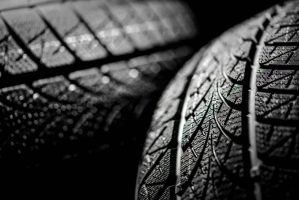
Tread is one of the first things to examine when looking at a used tire. Tires need sufficient tread to maintain traction, particularly when roads are wet or conditions become less predictable.
A tire with plenty of usable tread remaining may have a lot of life left, while one that is significantly worn may not be a good investment even if the price looks appealing.
Condition matters just as much as the amount of tread. Look for signs of uneven wear, cracking, bulges, punctures, or other visible damage. If you’re not sure what you’re looking at, ask someone with experience to help evaluate the tire.
Check for Uneven Wear
The tread shouldn’t necessarily look identical across every part of the tire, but noticeable differences can tell you something about how it was previously used.
Uneven wear can sometimes signal alignment problems, improper inflation, suspension issues, or other vehicle-related concerns. That’s why it’s worth looking beyond the center of the tread when evaluating a used tire.
If one area looks significantly more worn than another, don’t simply assume it’s normal.
Don’t Forget About the Age of the Tire
Tread isn’t the only factor that matters. Tires also age over time, even when they’re not being driven.
Look for the tire’s date code on the sidewall to determine when it was manufactured. Understanding a tire’s age gives you another piece of information to consider alongside its tread and overall condition.
A tire that has been sitting unused for years isn’t necessarily equivalent to a newer tire with similar tread depth.
Make Sure It Fits Your Vehicle
A tire can look like a great deal and still be the wrong choice for your vehicle. Before buying, check the tire size recommended for your car, along with the appropriate load and speed ratings. If you’re replacing only some of your tires, you’ll also want to understand how the new tires will work with the ones already on your vehicle.
If you’re unsure about compatibility, it’s better to ask before purchasing than discover afterward that the tires aren’t suitable for your vehicle.
Used Doesn’t Have to Mean Compromising
For some drivers, buying used tires can be a practical way to manage the cost of vehicle maintenance. The important part is purchasing from a source that takes the time to evaluate what it sells rather than simply putting an old tire on a shelf and calling it a deal.
At Drew Auto Parts, used tires and rims are inspected for quality and condition before they’re offered for sale. Inventory changes regularly, so available sizes and prices can vary depending on what’s currently in stock.
Find the Right Tires for Your Vehicle
If you’re considering used tires for sale, take the time to look at the whole picture: tread, age, condition, size, and compatibility. A lower price is helpful, but the goal should always be finding an option that’s appropriate for your vehicle and your needs.
Drew Auto Parts has been serving New Hampshire drivers since 1995, with a large inventory of recycled automotive parts, tires, batteries, and vehicles. If you’re looking for an affordable tire option, our team can help you check current availability and find out what may work for your vehicle.
Explore Your Options at Drew Auto Parts
You don’t always need to buy everything brand new to make a smart vehicle repair decision. If you’re interested in used tires for sale, contact our team at Drew Auto Parts to ask about current inventory, sizes, and pricing. We’re happy to help you explore your options and find a practical solution for your vehicle.
Follow us on Facebook for new inventory, automotive updates, and more from our team!